Peru Rentista (Retirement) Visa
Peru's Rentista visa is designed for retirees and individuals with stable passive income who want to live in Peru long-term. With a minimum requirement of $1,000 USD per month in verifiable passive income, it offers one of the most affordable retirement visa programs in South America.
Why Choose PeruVisas?
Requirements Checklist
Key Benefits
Why Retire in Peru?
Peru has emerged as one of the most attractive retirement destinations in South America, and for good reason. The country offers an extraordinary combination of low cost of living, rich cultural heritage, world-class cuisine, and diverse landscapes ranging from Pacific coastline to Andean highlands to Amazon rainforest.
For retirees on a fixed income, Peru delivers remarkable purchasing power. A comfortable lifestyle in cities like Arequipa, Cusco, or Lima's Miraflores district can be maintained for a fraction of what it costs in North America or Europe. Monthly expenses for a couple, including rent, food, transportation, and entertainment, typically range from $1,500 to $2,500 USD depending on location and lifestyle.
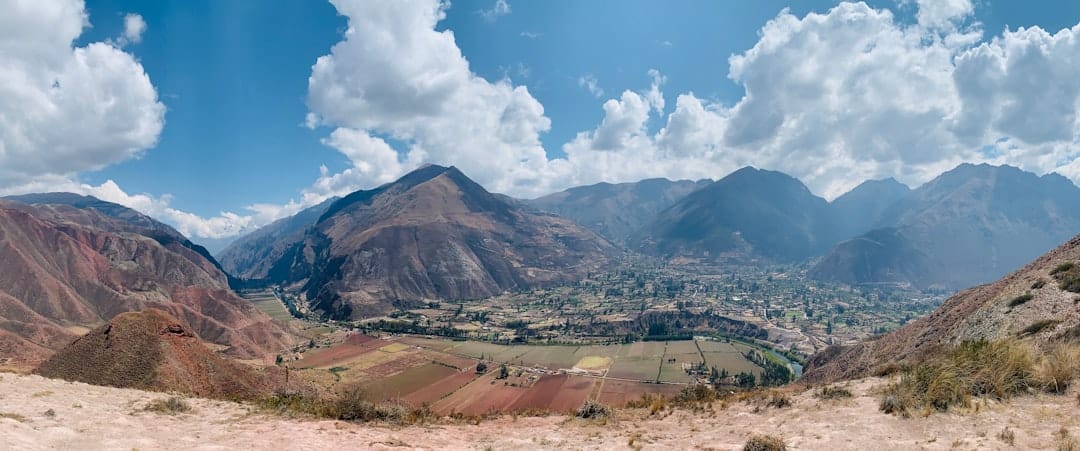
Peru's climate diversity means you can choose your ideal environment. Lima offers mild year-round temperatures. Arequipa boasts over 300 days of sunshine per year. The Sacred Valley near Cusco provides spring-like weather at elevation. Coastal towns like Huanchaco and Mancora deliver beach living without the premium price tag.
Income Requirements Explained
The Rentista visa requires you to demonstrate a minimum of $1,000 USD per month in passive income. This is one of the lowest thresholds among South American retirement visa programs.
Qualifying income sources include:
- Social Security benefits (the most common source for U.S. retirees)
- Pension payments from government or private employers
- Annuity distributions from insurance companies
- Rental income from properties you own abroad
- Dividend and interest income from investment portfolios
- Retirement account distributions (401k, IRA, etc.)
Migraciones requires that your income be regular and verifiable. You will need to provide bank statements covering at least six months, along with official letters from the income source confirming the amount and ongoing nature of the payments. All foreign documents must be apostilled and, if not in Spanish, translated by a certified translator.
Step-by-Step Application Process
Step 1: Gather Your Documents Begin collecting your documents at least 2-3 months before your intended application date. Obtain your criminal background check, have it apostilled, and get it translated into Spanish by a certified translator. Request official income verification letters from your pension provider, Social Security Administration, or financial institutions.
Step 2: Apply at a Peruvian Consulate or In-Country You can apply for the Rentista visa either at a Peruvian consulate in your home country or directly at Migraciones headquarters in Lima (Av. Espana 734, Brena). Applying in-country is common; many applicants enter Peru on a tourist visa and then begin the residency process.
Step 3: Submit Your Application File your completed Formulario F-004 along with all supporting documents. Pay the applicable processing fee. Migraciones will review your application and may request additional documentation.
Step 4: Biometrics and Interview You will be scheduled for a biometrics appointment where your fingerprints and photograph are taken. In some cases, a brief interview may be conducted.
Step 5: Receive Your Carnet de Extranjeria Once approved, you will receive your Carnet de Extranjeria (foreign resident ID card). This is your primary identification document in Peru and must be carried at all times. The entire process typically takes 6-8 weeks from submission to approval.
How Peru Compares to Ecuador and Colombia
| Factor | Peru | Ecuador | Colombia |
|---|---|---|---|
| Monthly Income Requirement | $1,000 USD | $1,375 USD | $750 USD (approx.) |
| Path to Permanent Residency | 3 years | 2 years | 5 years |
| Cost of Living (Moderate) | $1,500-2,500/mo | $1,500-2,500/mo | $1,200-2,200/mo |
| Healthcare Quality | Good (major cities) | Good (major cities) | Very Good |
| Processing Time | 6-8 weeks | 4-8 weeks | 4-8 weeks |
Peru stands out for its balance of affordable requirements and quality of life. While Colombia has a lower income threshold, Peru offers a faster path to permanent residency and a more developed infrastructure for expatriates in key cities.
Senior Benefits in Peru
Peru offers several benefits specifically for seniors (adults aged 60 and older):
- Discounted public transportation in major cities including Lima's Metropolitano bus system
- Reduced admission fees at national museums, archaeological sites (including Machu Picchu), and cultural institutions
- Priority service at banks, government offices, and healthcare facilities under Peru's Ley del Adulto Mayor
- Access to ESSALUD, Peru's public health insurance system, once you obtain residency and register as a contributor
- Property tax discounts available in some municipalities for senior residents
- Free or reduced-cost access to many municipal programs including fitness classes, cultural events, and senior centers
Peru's healthcare system includes both public (ESSALUD and SIS) and private options. Many retirees opt for a combination: ESSALUD for routine care and a private insurance plan (starting around $100-200 USD/month depending on age) for specialists and complex procedures. Major hospitals in Lima, such as Clinica Ricardo Palma and Clinica Internacional, offer care comparable to Western standards at significantly lower prices.
Important Considerations
Before committing to the Rentista visa, keep these practical points in mind:
- Tax obligations: Peru taxes residents on worldwide income. Consult a tax professional to understand your obligations in both Peru and your home country. The U.S.-Peru tax treaty can help avoid double taxation for American retirees.
- Currency exchange: While the Peruvian Sol (PEN) has been relatively stable, exchange rate fluctuations can affect your purchasing power. Many retirees maintain USD accounts and convert as needed.
- Renewal discipline: Mark your calendar for annual renewals. Letting your visa lapse can complicate your residency status and reset your path to permanent residency.
- Legal representation: While not strictly required, working with an immigration attorney or a specialized visa service can significantly smooth the process and help avoid costly mistakes with document preparation.
Frequently Asked Questions
GET STARTED
Book Your Free Consultation
Get expert guidance on your Peru visa options within 24 hours.