How to Retire in Peru on Social Security in 2026
Can You Really Retire in Peru on Social Security?
The short answer is yes — and thousands of Americans are already doing it. Peru's low cost of living, combined with its straightforward residency visa program, makes it one of the best countries in the world for Social Security retirees who want to stretch their dollars further.
The average US Social Security benefit in 2026 is approximately $1,907 per month. In most American cities, that barely covers rent. In Peru, it can fund a comfortable middle-class lifestyle with money left over for travel, dining, and entertainment.
Here is how the numbers work, what visa you need, and where to settle.
Monthly Budget Breakdown
The following budget assumes a single retiree living a comfortable but not extravagant lifestyle in a mid-range Peruvian city. All figures are in USD.
Lima (Miraflores District)
| Category | Monthly Cost |
|---|---|
| Rent (1-bedroom apartment) | $500-$700 |
| Groceries | $200-$300 |
| Dining out (10x/month) | $100-$150 |
| Transportation | $50-$80 |
| Utilities (electric, water, internet) | $80-$120 |
| Health insurance (private) | $150-$250 |
| Entertainment & miscellaneous | $100-$200 |
| Total | $1,180-$1,800 |
Arequipa or Cusco
| Category | Monthly Cost |
|---|---|
| Rent (1-bedroom apartment) | $300-$500 |
| Groceries | $150-$250 |
| Dining out (10x/month) | $60-$100 |
| Transportation | $30-$50 |
| Utilities (electric, water, internet) | $60-$90 |
| Health insurance (private) | $150-$250 |
| Entertainment & miscellaneous | $80-$150 |
| Total | $830-$1,390 |
Trujillo or Huancayo
| Category | Monthly Cost |
|---|---|
| Rent (1-bedroom apartment) | $200-$350 |
| Groceries | $120-$200 |
| Dining out (10x/month) | $40-$80 |
| Transportation | $20-$40 |
| Utilities (electric, water, internet) | $50-$80 |
| Health insurance (private) | $150-$250 |
| Entertainment & miscellaneous | $60-$120 |
| Total | $640-$1,120 |
As you can see, even the average Social Security benefit of $1,907 leaves a healthy surplus in every scenario. A couple receiving combined benefits of $3,000-$3,500 can live very comfortably in any Peruvian city.
How Social Security Works Abroad
The Social Security Administration (SSA) will deposit your benefits into a US bank account regardless of where you live. Peru is on the SSA's approved list of countries for benefit payments, meaning your payments continue uninterrupted.
Key points for retirees abroad:
- You can receive Social Security payments by direct deposit to a US bank account, which you then transfer to Peru via ATM withdrawals or wire transfers.
- SSA requires periodic proof that you are still alive (a "Report of Continuing Disability or Retirement" form). The US Embassy in Lima can help with this.
- Medicare does not cover medical expenses outside the US. You will need private health insurance in Peru (more on this below).
- Your benefits are not reduced for living abroad.
Visa Qualification
The rentista visa is the ideal pathway for Social Security retirees. It requires proof of at least $1,000 USD per month in passive income — and Social Security qualifies perfectly.
To use Social Security as your income proof, you will need:
- A benefit verification letter from SSA (available at SSA.gov or by calling 1-800-772-1213)
- The letter must be apostilled by the US Department of State
- The apostilled letter must be translated into Spanish by a certified Peruvian translator
If your Social Security benefit exceeds $1,000/month — and the vast majority of retirees' benefits do — you meet the income requirement. Adding a spouse requires $1,500/month combined.
The full rentista visa process takes approximately 2-4 months from document gathering to approval.
Healthcare in Peru
This is the question every retiree asks, and the answer is encouraging. Peru's private healthcare system is excellent and affordable, especially compared to the US.
Private Health Insurance
Most expat retirees opt for private health insurance, which costs between $150-$350 per month depending on age, coverage level, and pre-existing conditions. Popular international insurers serving Peru include:
- Pacifico Seguros — Peru's largest private insurer
- Rimac Seguros — another major domestic option
- Cigna Global — international coverage with Peru network
- Allianz Care — European-based international option
With private insurance, you access Peru's top-tier private hospitals, which feature modern equipment, English-speaking doctors (especially in Lima), and dramatically lower costs than the US.
Out-of-Pocket Costs
Even without insurance, Peruvian healthcare is affordable:
- Doctor visit: $20-$50
- Specialist consultation: $40-$80
- Dental cleaning: $30-$50
- MRI scan: $150-$300
- Prescription medications: 30-70% less than US prices
EsSalud (Public System)
Residents with a Carné de Extranjería can enroll in EsSalud, Peru's public health system, for a monthly contribution based on income. The quality varies — Lima's EsSalud hospitals are decent, while rural facilities can be basic. Most expats use EsSalud as a backup and rely on private care for day-to-day needs.
Best Retirement Cities
Lima — Miraflores and Barranco
Lima is the default choice for retirees who want maximum convenience. The Miraflores district feels almost like a Southern California beach town, with oceanfront parks, modern shopping, excellent restaurants, and reliable infrastructure. Barranco, the bohemian neighbor, offers a more artistic vibe with galleries, nightlife, and beautiful colonial architecture.
Pros: International airport, English widely spoken, world-class dining, best hospitals in Peru, large expat community.
Cons: Higher cost of living, traffic congestion, overcast skies from May to November (the garúa season).
Arequipa — The White City
Peru's second city sits at 2,335 meters elevation with over 300 days of sunshine per year. The historic center, built from white volcanic stone (sillar), is a UNESCO World Heritage Site. Arequipa offers a perfect balance of culture, affordability, and pleasant weather.
Pros: Year-round sunshine, lower cost of living, excellent food scene, growing expat community, good healthcare.
Cons: Limited international flights, moderate altitude, smaller English-speaking community.
Cusco — History and Altitude
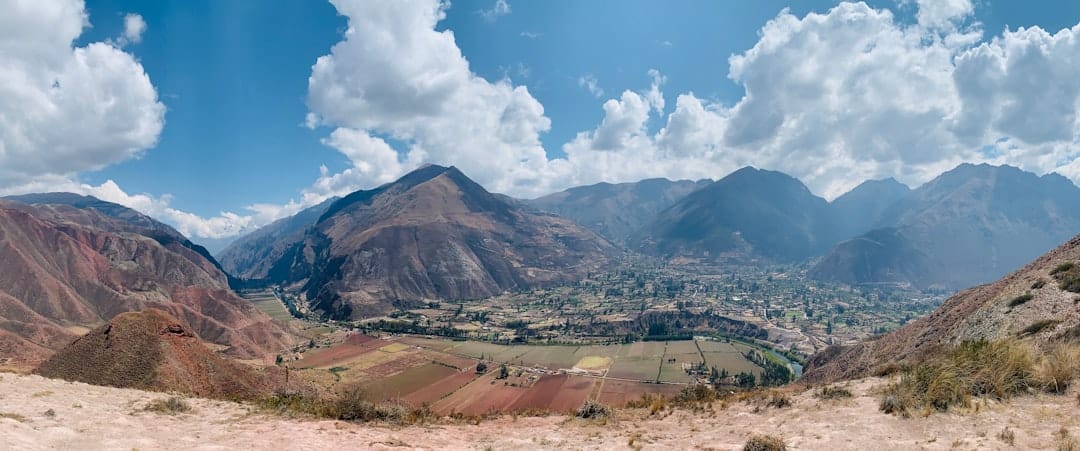
Cusco is magical but not for everyone. At 3,400 meters, altitude is a real consideration for retirees with heart or respiratory conditions. Those who acclimatize find a vibrant city with unmatched history, a large international community, and access to the Sacred Valley.
Pros: Rich culture, strong expat community, Sacred Valley access, affordable living.
Cons: High altitude, tourist-heavy pricing in the center, cold nights.
Trujillo — Coastal and Affordable
Trujillo is Peru's hidden gem for retirees. The third-largest city offers warm coastal weather, low prices, rich archaeological heritage (Chan Chan, the largest adobe city in the world), and a genuinely Peruvian lifestyle without the tourist crowds.
Pros: Warm year-round, very affordable, authentic Peruvian culture, beach access.
Cons: Small expat community, limited English-speaking services, fewer international amenities.
Comparison to US Cost of Living
To put Peru's affordability in perspective, here is how key expenses compare to the US national average:
| Expense | US Average | Peru Average | Savings |
|---|---|---|---|
| 1-bedroom rent | $1,500 | $400 | 73% |
| Groceries (monthly) | $400 | $200 | 50% |
| Doctor visit | $150 | $35 | 77% |
| Dining out (meal for two) | $60 | $15 | 75% |
| Internet (monthly) | $70 | $25 | 64% |
| Domestic beer (restaurant) | $7 | $2 | 71% |
On average, your dollar goes 2.5 to 3 times further in Peru than in the United States. For a Social Security retiree, this is the difference between scraping by and living well.
Tax Considerations
US citizens must continue filing federal taxes regardless of where they live. However, Social Security benefits are generally not taxed by Peru because Peru only taxes income earned within its borders (territorial tax system).
Your US tax obligations on Social Security depend on your total income. If Social Security is your primary income and falls below the IRS thresholds for taxation, you may owe little to no federal tax.
Consult an expat tax specialist familiar with both US and Peruvian tax law. Firms like Greenback Expat Tax Services and Bright!Tax specialize in this area.
Practical Tips for Making the Move
- Visit first. Spend 30-60 days in Peru on a tourist visa before committing. Try different cities.
- Keep your US bank account. You need it for Social Security deposits. Use a no-foreign-transaction-fee debit card (Charles Schwab, Wise) for ATM withdrawals in Peru.
- Learn basic Spanish. Even a survival level makes daily life dramatically easier. Many retirees take affordable group classes in Peru ($3-$8/hour).
- Join expat groups. Facebook groups like "Expats in Lima" and "Living in Peru" are invaluable for real-time advice.
- Start the visa process early. The FBI background check alone takes 12-16 weeks. Begin 4-6 months before your planned move date.
- Ship wisely. Shipping a container from the US to Peru is expensive ($3,000-$6,000). Most retirees sell their US belongings and buy new in Peru, where furniture and household goods are cheap.
The Bottom Line
Retiring in Peru on Social Security is not just possible — it is a strategic financial decision that can transform your retirement from stressful to comfortable. With a monthly budget of $1,000-$1,500 covering all basics, even a modest Social Security check provides a quality of life that would require $3,000-$4,000 in the US.
The visa process is straightforward, the healthcare is excellent and affordable, and the culture is endlessly rich. Peru is not a compromise — it is an upgrade.
Tags
Ready to Start Your Peru Visa?
Book a free consultation to discuss your visa options and create a personalized plan for your move to Peru.
No obligation — just honest answers about your visa options.
GET STARTED
Book Your Free Consultation
Get expert guidance on your Peru visa options within 24 hours.