Peru Digital Nomad Visa: What We Know in 2026
Does Peru Have a Digital Nomad Visa?
As of early 2026, Peru does not yet have a dedicated digital nomad visa. However, legislative proposals have been circulating in Peru's Congress since 2023, and the topic remains actively under discussion.
The Peruvian government has recognized the economic potential of attracting remote workers — people who earn foreign income while spending locally. Several Latin American countries have already implemented digital nomad visas with notable success, and Peru's tourism and immigration authorities have publicly expressed interest in following suit.
Here is what we know about the current status, what the visa might look like, and what digital nomads can do right now to live and work in Peru legally.
Current Legislative Status
In 2023, Peruvian Congressman José Cueto introduced Proyecto de Ley 5924/2023, a bill to create a "visa para nómada digital" (digital nomad visa). The bill proposed:
- A one-year visa for foreign remote workers
- Minimum income requirement of $1,500 USD per month
- Proof of employment or freelance contracts with foreign companies
- Health insurance coverage valid in Peru
- No right to work for Peruvian employers
The bill was referred to the Committee on Foreign Relations and the Committee on Economy, where it has been under review. As of February 2026, the bill has not been voted on by the full Congress, though revised versions have been discussed in committee sessions throughout 2025.
Why the delay? Peru's political environment has been turbulent, with multiple changes in government and competing legislative priorities. Immigration reform, while discussed, has not been at the top of the agenda. Industry observers expect progress in 2026, but no one can guarantee a timeline.
What the Visa Might Look Like
Based on the legislative proposals and the patterns established by other Latin American countries, Peru's digital nomad visa — when it arrives — will likely include these features:
Expected requirements:
- Proof of remote employment or freelance income from non-Peruvian sources
- Minimum monthly income of $1,500-$2,000 USD
- Valid health insurance covering Peru
- Clean criminal record
- Valid passport with 6+ months remaining
Expected benefits:
- Legal residency for 6-12 months, renewable
- Ability to open a Peruvian bank account
- No Peruvian income tax on foreign-sourced income (aligning with Peru's territorial tax principle)
- Access to Peru's healthcare system (possibly)
- No right to work for Peruvian companies
Likely application process:
- Online application through MIGRACIONES portal
- Remote approval (apply from outside Peru)
- In-country registration upon arrival
- Carné de Extranjería issued for identification
How Peru's Proposal Compares to Other LATAM Digital Nomad Visas
Several Latin American countries have already launched digital nomad visas. Here is how they compare to what Peru is likely to offer:
Colombia — Visa de Nómada Digital
Colombia launched its digital nomad visa in October 2022 and has since refined it. It is one of the most popular in the region.
| Feature | Colombia | Peru (Expected) |
|---|---|---|
| Income requirement | $3,000/month (or $3,750 as freelancer) | $1,500-$2,000/month |
| Duration | Up to 2 years | 6-12 months |
| Tax status | No Colombian income tax | No Peruvian income tax (expected) |
| Application | Online | Online (expected) |
| Processing time | 2-4 weeks | TBD |
| Can work for local employers? | No | No |
Peru's advantage: A significantly lower income threshold would make it accessible to a broader range of remote workers.
Brazil — Digital Nomad Visa
Brazil launched its visa in January 2022 with generous terms.
| Feature | Brazil | Peru (Expected) |
|---|---|---|
| Income requirement | $1,500/month | $1,500-$2,000/month |
| Duration | Up to 1 year | 6-12 months |
| Tax status | No Brazilian income tax (if <183 days) | No Peruvian income tax (expected) |
| Application | Online via consulate | Online (expected) |
| Processing time | 2-6 weeks | TBD |
Comparable terms. Brazil's visa is well-established and tested, which gives it a credibility advantage.
Ecuador — No Dedicated Visa
Ecuador does not have a dedicated digital nomad visa either, though remote workers can use the professional visa (visa profesional) or simply stay on a tourist visa (90 days, extendable to 180). Ecuador's lack of a formal program makes it comparable to Peru's current situation.
Costa Rica — Rentista Digital
Costa Rica launched its digital nomad visa in 2021 with a relatively high income bar.
| Feature | Costa Rica | Peru (Expected) |
|---|---|---|
| Income requirement | $3,000/month (or $60K/year) | $1,500-$2,000/month |
| Duration | Up to 2 years | 6-12 months |
| Tax status | No Costa Rican income tax | No Peruvian income tax (expected) |
Peru's advantage: Much lower income requirements and a significantly lower cost of living.
Current Alternatives for Remote Workers in Peru
While waiting for the digital nomad visa, remote workers have several legal options for living and working in Peru:
Option 1: Tourist Visa (183 Days)
The simplest approach. Most nationalities receive a tourist visa on arrival allowing up to 183 days per calendar year in Peru. No application required.
Pros:
- Zero paperwork
- Free entry for most nationalities
- 183 days is generous (6 months)
Cons:
- Technically, you are not supposed to "work" on a tourist visa — though remote work for a foreign employer is a legal gray area that Peru has not actively enforced
- Cannot open a Peruvian bank account
- No Carné de Extranjería (makes some services harder to access)
- Must leave Peru for the remaining 182 days of the year
Reality check: Thousands of digital nomads currently work remotely from Peru on tourist visas. Immigration enforcement has not targeted remote workers earning foreign income. However, this carries inherent risk and is not a long-term solution.
Option 2: Rentista Visa ($1,000/month)
If you earn at least $1,000/month in passive or investment income, the rentista visa provides legal residency. Some digital nomads structure their income (through dividends from their own company, for example) to qualify.
Pros:
- Full legal residency
- Carné de Extranjería
- Bank accounts, contracts, and services fully accessible
- Path to permanent residency
Cons:
- Income must be "passive" — freelance and employment income do not officially qualify
- Requires apostilled documents, translations, and a more involved application process
- Annual renewal required
Option 3: Professional Visa (Visa Independiente)
The professional visa is available to self-employed individuals who can demonstrate professional qualifications and a contract or clients in Peru. While designed for professionals serving the Peruvian market, it can work for some remote workers.
Pros:
- Legal residency with work authorization
- Can issue invoices (recibos por honorarios) in Peru
Cons:
- Requires proof of professional qualifications (degree, certifications)
- More complex application
- May trigger Peruvian tax obligations on income earned through Peruvian contracts
Option 4: Investor Visa ($130,000)
If you have significant savings, the investor visa provides robust residency through a real estate purchase or business investment. This is overkill for most digital nomads but worth mentioning for those with the means.
Best Cities for Digital Nomads in Peru
Lima (Miraflores and Barranco)
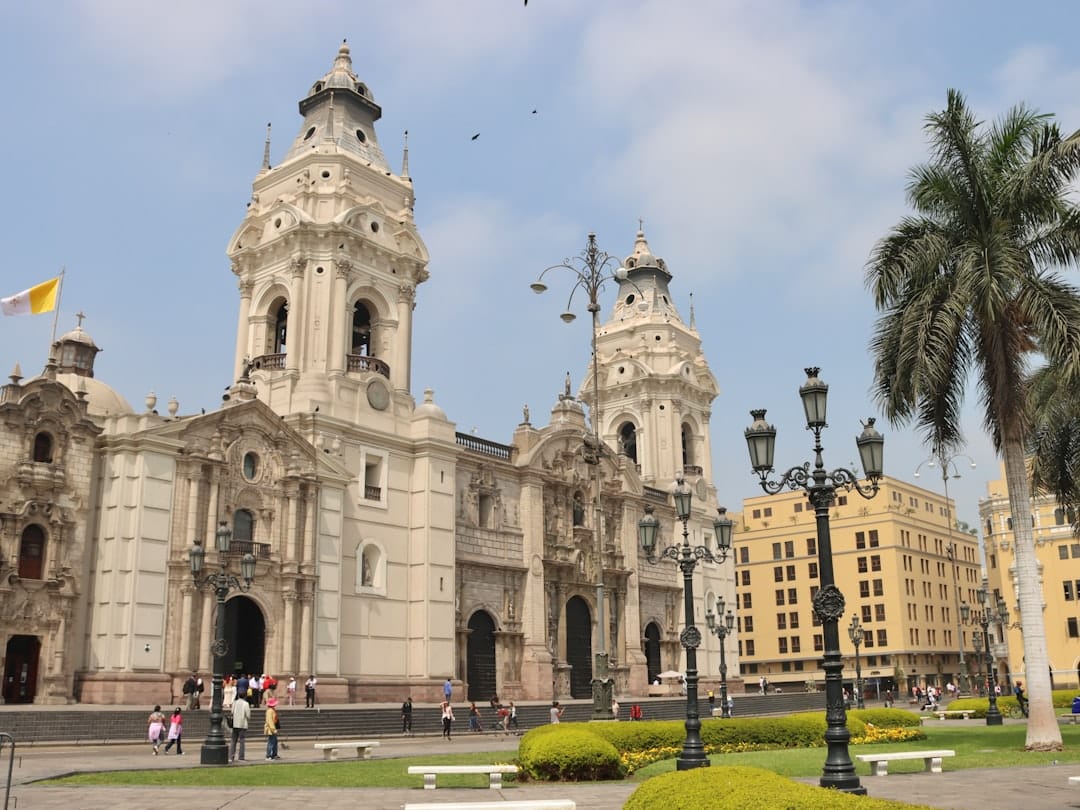
Lima is Peru's undisputed digital nomad capital. Miraflores offers dozens of coworking spaces, fast fiber internet (100-300 Mbps widely available), excellent cafes with reliable WiFi, and a vibrant international community.
Coworking spaces: Comunal, WeWork, Regus, Selina, and numerous independent spaces. Monthly memberships run $80-$200.
Barranco is the artsy alternative with a younger, more creative crowd. Slightly fewer coworking options but a better nightlife and cultural scene.
Cusco
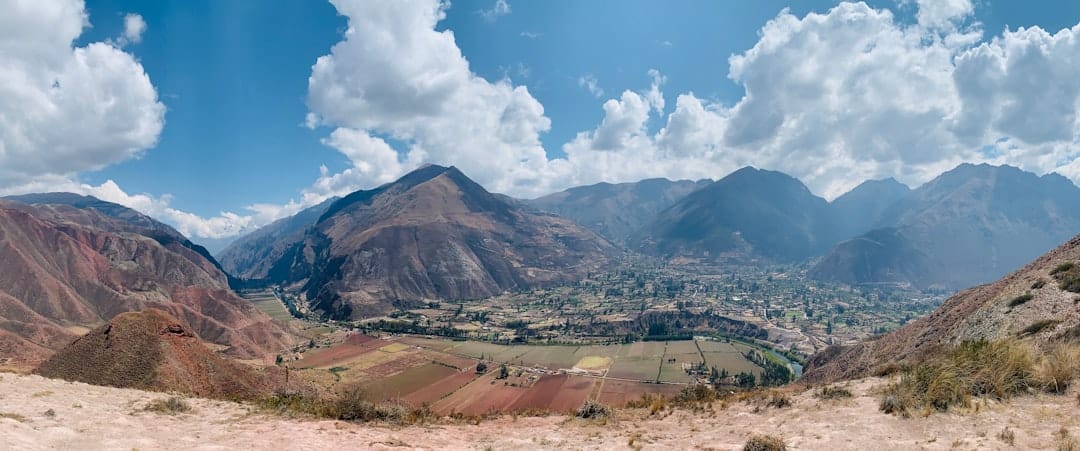
Cusco has a growing nomad community attracted by the mystical setting, affordable living, and surprisingly good internet. The altitude (3,400m) takes adjustment, but those who acclimatize find it an inspiring place to work.
Coworking options are limited compared to Lima but growing. Expect to pay $50-$120/month for a dedicated desk.
Note: Internet speeds in Cusco are generally slower than Lima (30-100 Mbps). Always test the connection before committing to a workspace or apartment.
Arequipa
Arequipa is emerging as a digital nomad destination thanks to its sunshine, affordability, and improving infrastructure. The coworking scene is small but the city's quality of life is excellent.
Huanchaco (Trujillo)
For surfer-nomads, Huanchaco offers beachfront living, ultra-low costs, and a tight-knit community of travelers and remote workers. Internet is the main limitation — verify speeds before committing.
Tax Implications for Remote Workers
Peru operates a territorial tax system for non-domiciled individuals. This means:
- If you are not a Peruvian tax resident (present less than 183 days in a 12-month period), Peru does not tax your foreign-sourced income.
- If you become a tax resident (present 183+ days), Peru taxes worldwide income for domiciled individuals. However, during your first year of domicile, only Peruvian-sourced income is taxed.
The practical implication for digital nomads: If you earn income exclusively from foreign clients and stay under 183 days, you should have no Peruvian tax liability. If you stay longer (on a residency visa), consult a Peruvian tax attorney to understand your obligations.
US citizens must file US taxes regardless of where they live or work. The Foreign Earned Income Exclusion ($130,000 in 2026) and Foreign Tax Credit can offset double taxation.
What to Do Right Now
- Come to Peru on a tourist visa and test the waters. You have 183 days to explore.
- If you love it, explore the rentista or professional visa depending on your income structure.
- Monitor the digital nomad visa legislation. Follow MIGRACIONES announcements and reputable expat news sources.
- Get set up financially. Open a Wise or Revolut account for low-cost international transfers. Bring a no-foreign-fee debit card (Charles Schwab, Wise).
- Join the community. Lima's nomad community is active on Facebook, Slack, and in coworking spaces. Local connections make everything easier.
The Bottom Line
Peru does not yet have a digital nomad visa, but that does not stop thousands of remote workers from choosing it as their base. The combination of affordable living, world-class food, reliable internet (in major cities), and a generous tourist visa makes Peru one of the best destinations in Latin America for location-independent workers.
When the digital nomad visa finally arrives — and it will — Peru will become even more competitive. In the meantime, the current options are workable, and the lifestyle is exceptional. Start planning your move now, and you will be well-positioned when the formal program launches.
Tags
Ready to Start Your Peru Visa?
Book a free consultation to discuss your visa options and create a personalized plan for your move to Peru.
No obligation — just honest answers about your visa options.
GET STARTED
Book Your Free Consultation
Get expert guidance on your Peru visa options within 24 hours.